
What started as a question
In 2015, we noticed something. Acting students were stuck between expensive in-person classes they couldn't attend and pre-recorded videos that felt disconnected. Method acting requires feedback, observation, real-time adjustment. So we asked: what if we could create a space where geography didn't matter, but the quality of instruction did?
Pilashen became that space. We started with small webinars, testing whether live interaction could replace being in the same room. It worked. Students from different time zones practiced emotional recall together, received immediate corrections, and built confidence through repeated, structured exercises. The platform grew because the teaching worked, not the other way around.
Now we run sessions across multiple skill levels, from beginners learning sense memory to advanced students working on character transformation. Every webinar is live, every question gets answered, and every student gets seen. That's the commitment we made when we started, and it's still what defines us today.
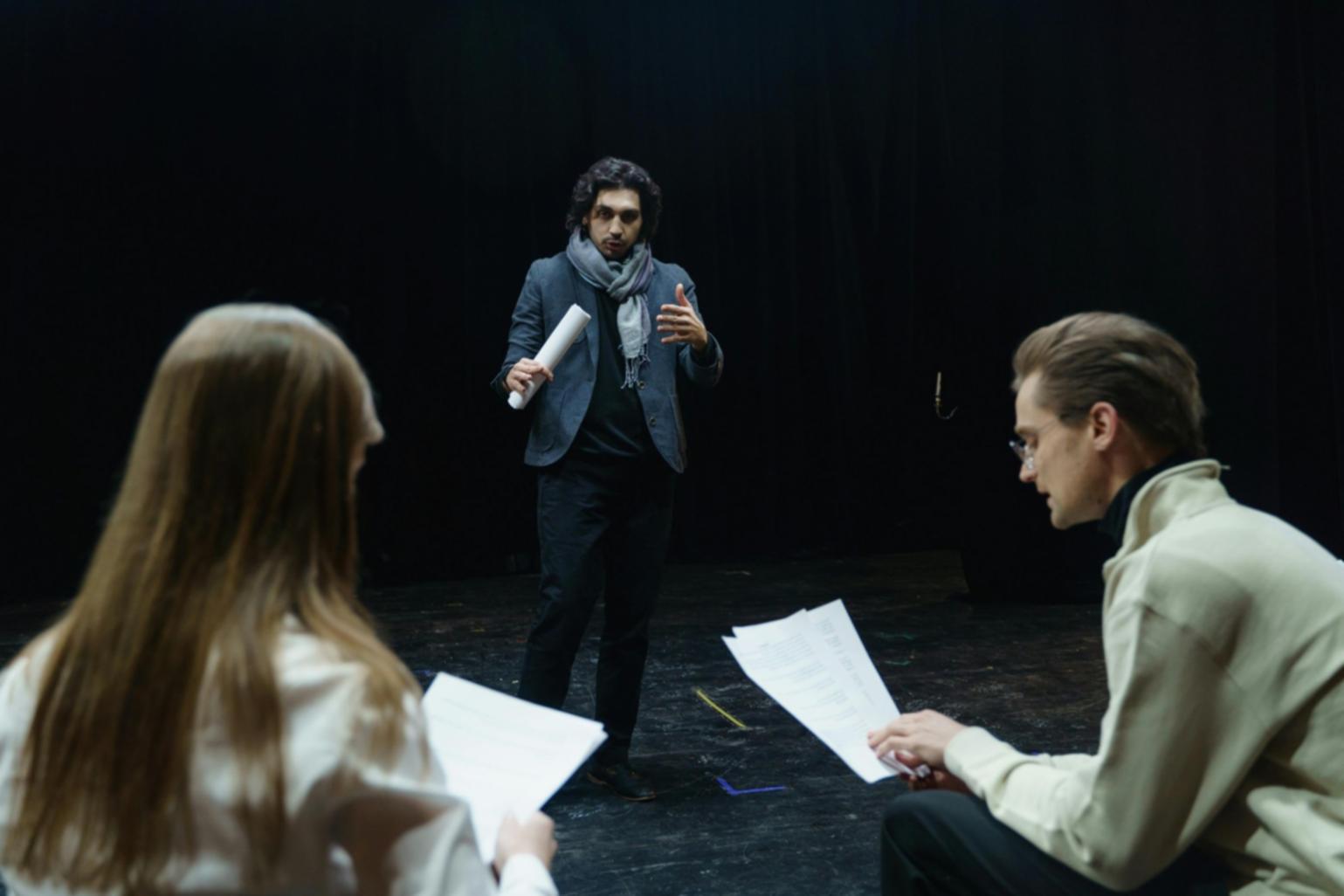
The people behind the webinars
Our instructors aren't just teachers. They're working actors and directors who understand method acting from the inside and know how to guide you through it step by step.
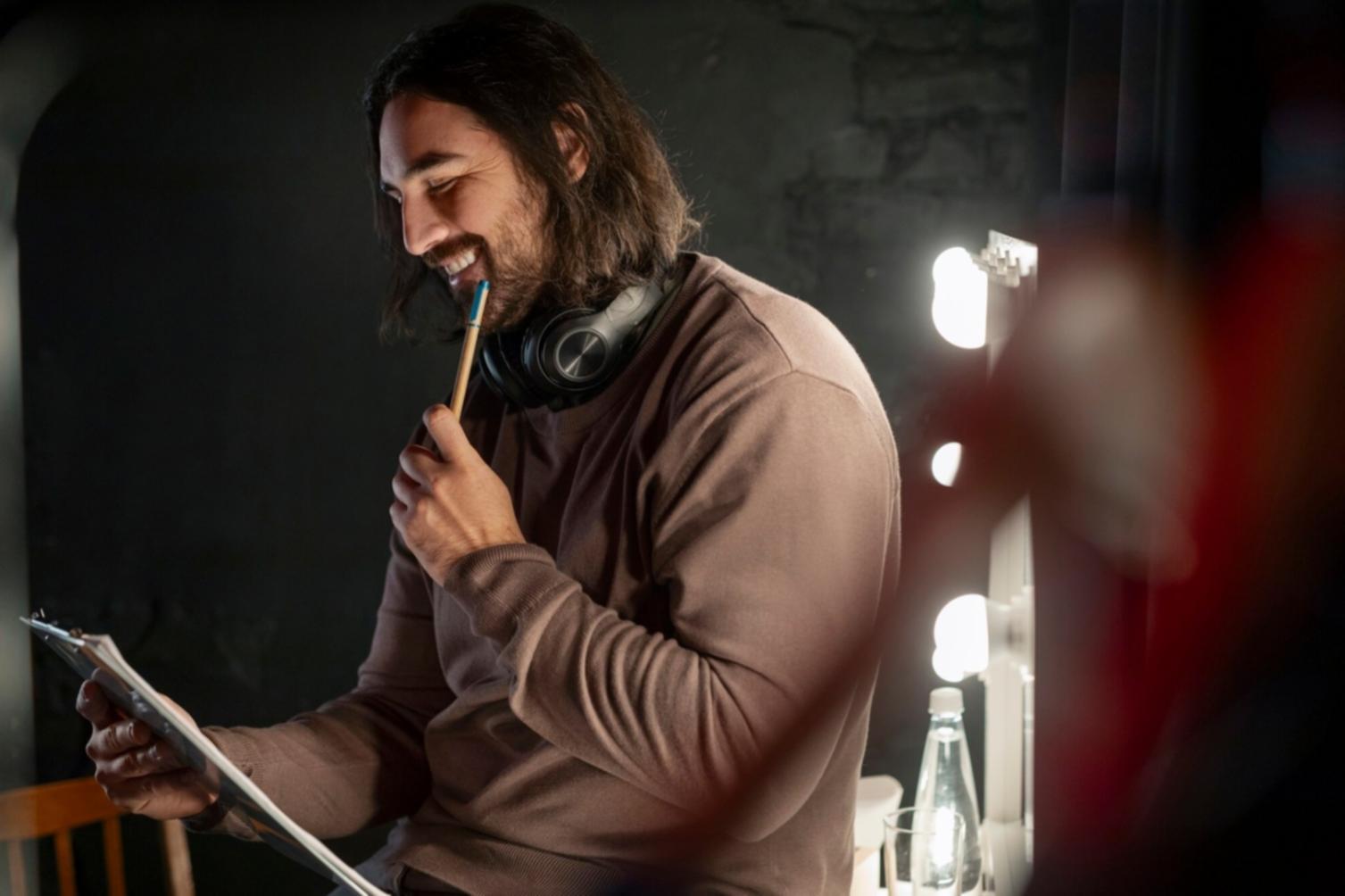
Liudmyla Kravets
Liudmyla specializes in emotional memory and character development. She's been teaching method acting for twelve years and knows how to help students access genuine emotion without forcing it.
Dmytro Shevchuk
Dmytro focuses on improvisation and scene study. He brings practical stage experience to every session and excels at creating a safe space where students feel comfortable taking risks.
Olena Bondar
Olena builds the learning paths that structure our webinars. She ensures each session builds on the previous one and that students at every level have clear, achievable goals to work toward.
The principles that guide our teaching
Real-time feedback matters
Method acting isn't something you can learn from a script. You need someone watching you, catching the moments where you're forcing emotion instead of finding it. Our instructors observe every exercise and give you specific, actionable corrections during the session.
Practice beats theory
We spend most of our webinar time doing exercises, not discussing concepts. You'll practice sense memory, work through emotional recall, and rehearse scenes repeatedly. The theory comes in small doses when it's directly relevant to what you're doing in that moment.
Small groups create safety
We cap webinars at twelve students. This isn't arbitrary. Method acting requires vulnerability, and vulnerability requires trust. In a smaller group, you get more individual attention, more time to work through difficult emotions, and a stronger sense of community with your fellow students.
Progress takes time
We don't promise rapid transformation. Method acting is a skill that develops over months, not weeks. Our curriculum is structured to build gradually, with each webinar reinforcing what came before. Some students see breakthroughs quickly, others need more repetition. Both paths are normal.
How we structure learning
Each webinar follows a clear pattern. We start with a warm-up exercise that gets you present and focused. Then we introduce one specific technique, demonstrate it, and break it down into steps. You practice that technique multiple times during the session with different prompts or scenarios.
Between exercises, the instructor gives individual feedback. You'll hear corrections for yourself and for other students, which helps you learn what to watch for in your own work. The final twenty minutes are usually dedicated to questions and reviewing what worked or didn't work during the session.
We don't move to the next technique until the current one is solid. If a group needs an extra session on emotional substitution, we adjust the schedule. The curriculum is a guide, not a rigid timeline. Your development as an actor is what determines the pace.